Ensuring Hygiene Compliance in Hair Salons through Proper Sanitization of Barber Tools
Wiki Article
Maintaining robust standards of hygiene in barber shops is critical for shielding both patrons and personnel from likely infections. Barber shops are environments where sharp instruments and hair tools interact with dermal layers, strands, and occasionally slight abrasions. This makes thorough washing and sanitation a key practice to reduce the transmission of germs, pathogens, and molds. By following systematic cleaning guidelines, barbers can maintain a cleaner setting, reassure clients, and comply with safety standards that control professional barber shops.
Proper sterilization of equipment starts with recognizing the difference between cleaning, decontaminating, and decontaminating fully. Washing eliminates apparent debris such as hair, dermal flakes, and product residue, while disinfecting reduces the number of harmful microorganisms to a controlled standard. Complete disinfection advances by eliminating nearly all kinds of microbial life, including fungal spores. Instruments such as scissors, shavers, brushes, and trimmers must receive proper processes to confirm that all stage meets hygiene standards. Employing certified disinfectants and observing the manufacturer’s guidelines guarantees that instruments are both sanitary to apply and durable over time.
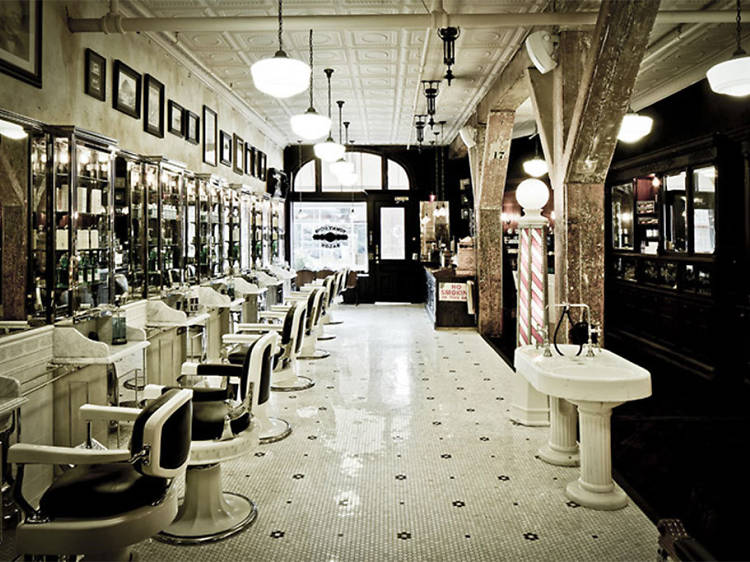
get redirected here Barber shops must also prioritize the organized management and placement of disinfected instruments. Equipment that have been sterilized or prepared should be kept in a dry, dry space to reduce microbial growth. Designated storage containers, UV sterilization see page units, or sealed sterilization pouches can protect instruments from environmental microbes. Additionally, groomers should practice the process of marking cleaned tools and alternating them regularly to ensure uniform cleaning protocols. A systematic method to equipment organization not only strengthens hygiene but also reflects professionalism to patrons.
Educating staff on correct cleaning methods is another key factor in ensuring cleanliness standards. Stylists and salon employees should receive guidance on proper hand hygiene, wearing gloves, and the cleaning of common surfaces such as seating, counters, and washbasins. Ongoing refresher courses and inspections help ensure that hygiene practices remain consistent across the salon. Training barbers about the dangers of cross-contamination and the value of compliance encourages a environment of safety and professionalism within the barber shop.
Regular monitoring and upkeep of cleaning tools also support sanitation standards. Sterilizers, vibration cleaners, and cleaning agents must be monitored for efficiency, and any defective equipment should be replaced immediately. Following a formal cleaning plan and maintaining detailed logs of cleaning schedules additionally enhances adherence with municipal sanitation laws. By implementing effective instrument cleaning, structured management, workforce instruction, and device care, grooming establishments can ensure a professional, reliable This Site space that prioritizes the safety of every client.